

Preparation. Discipline. Repetition. Control. All of it protects against falling short. None of it prepares you for the moment winning becomes real.
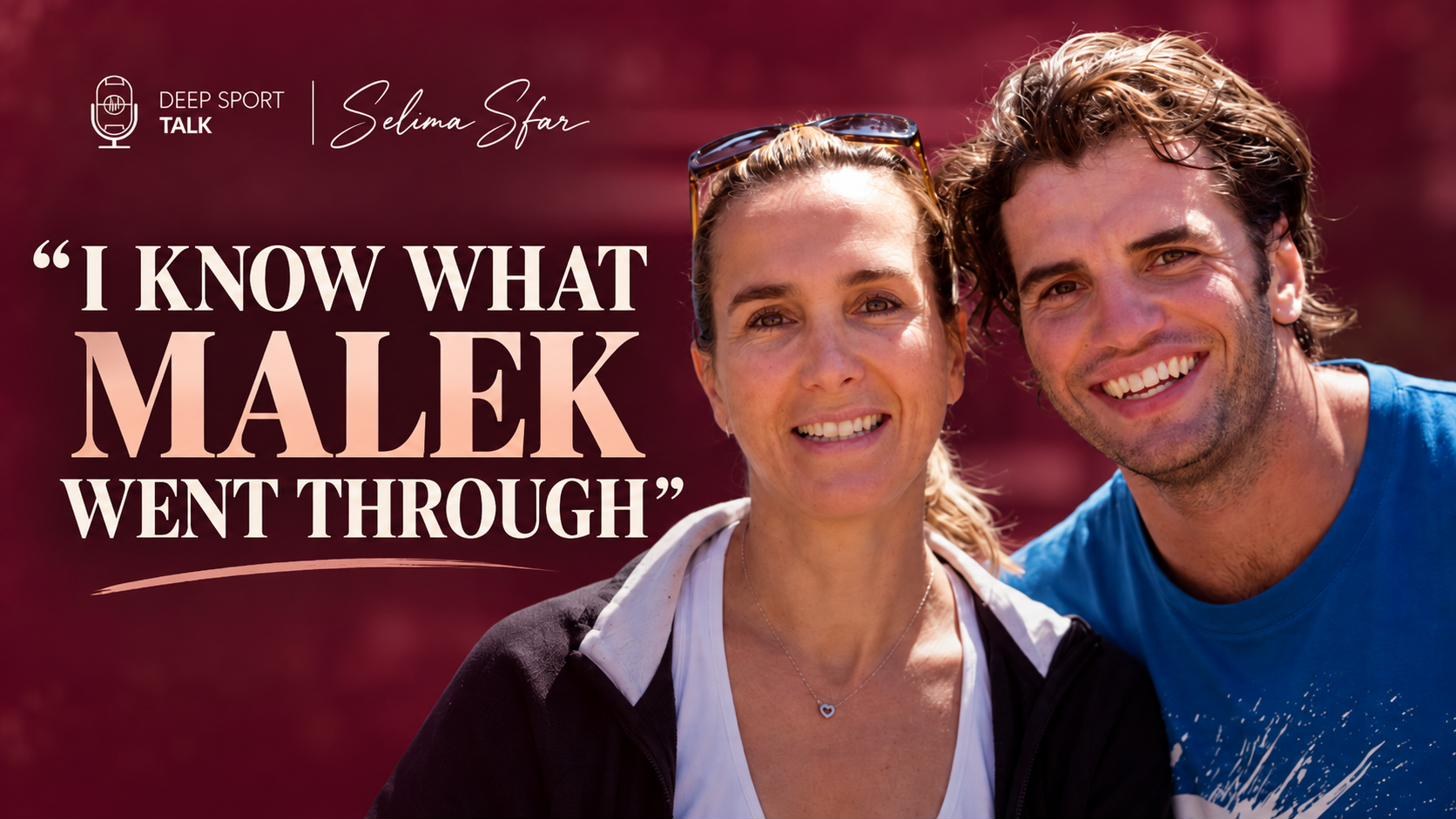
Against Anna Kournikova, former world No. 8. Night session. Centre Court. Packed stadium. It went to three sets. Selima was 4-0, 40-0 up in the final set. Then froze. By her own count, she double faulted several times. Lost the game. Lost the match.
Not skill: she had beaten better players. Not fatigue: her serve and her game had taken her to the lead and held it. It left her at the exact moment the match became tangibly winnable.
That is why the fear of winning survives. Nobody defends against a fear they cannot recognise. It rarely says I am afraid to win. It appears instead as a mistake, a missed chance, a strange sense of self-disappointment. Like losing against your own self. You lost, but the part of you that feared winning won.
We learn very early that wanting too much is somehow wrong. That ambition should have limits. That taking too much space makes others uncomfortable.
Don’t take up too much space.
Don’t be too much.
Don’t draw attention.
Don’t want too visibly.
By the time this reaches an elite career, it is no longer an instruction. It is structure. It does not tell you not to win. It quietly makes sure you don’t.
A promotion declined for good reasons. A proposal revised down before anyone saw it. A launch delayed for one more round of preparation. It appears in no review and no survey, so the organisation stops questioning it and starts planning around it. The cost is the difference between what a person is capable of and what they permit themselves to deliver, sustained across an entire senior team.
The athlete who pulls back at the edge of victory, and the person who learned that worth requires wanting less, are not fighting two different battles. They are fighting the same one.
Sexy SpiritualityKeynotes for corporate summits, women’s forums and leadership conferences worldwide.
In Arabic, English or French.